
Can Reading Fiction Improve Focus? Expert Insights on Books and Mental Health
The relationship between fiction reading and cognitive performance has intrigued neuroscientists and psychologists for decades. While many assume that only non-fiction self-help books or technical materials sharpen our minds, emerging research suggests something surprising: immersive fiction narratives may actually enhance focus, concentration, and mental resilience in profound ways. This counterintuitive finding challenges conventional wisdom about productivity and opens new avenues for understanding how we can leverage reading to strengthen our attention spans.
In our distraction-filled digital age, where notifications constantly fragment our attention, the ability to maintain deep focus has become increasingly rare and valuable. Fiction reading offers a unique cognitive workout that trains your brain to sustain concentration for extended periods. Unlike scrolling through social media or consuming fragmented content, engaging with a novel requires sustained mental effort, active imagination, and the ability to follow complex narrative threads—all essential components of focused attention.
This comprehensive guide explores the science behind fiction reading and focus, examining how literary engagement impacts your brain, mental health, and concentration abilities. We’ll uncover expert insights, discuss practical applications, and help you understand whether fiction should become part of your focus-building routine.
How Fiction Reading Affects Your Brain
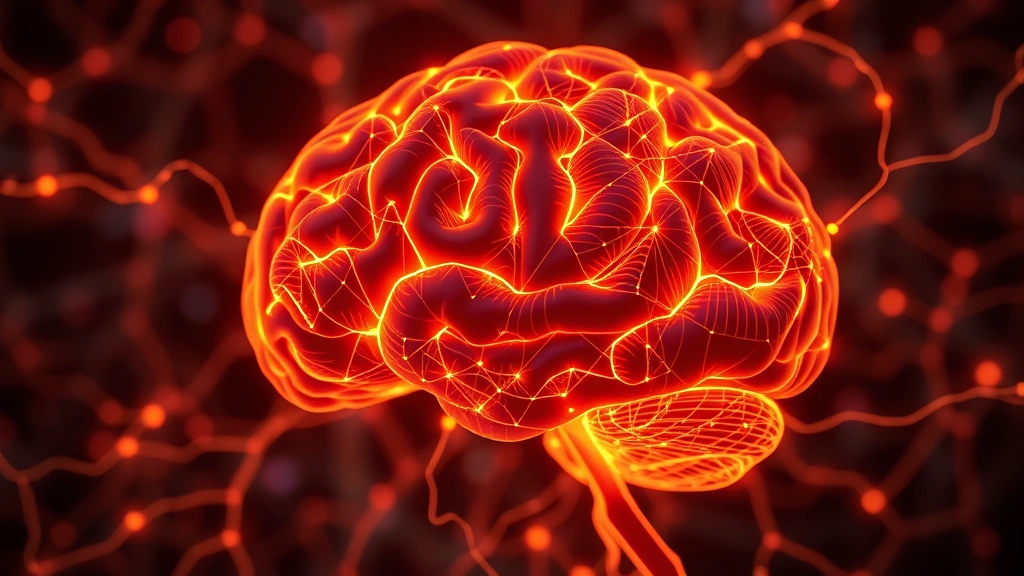
When you immerse yourself in a novel, your brain doesn’t simply process words on a page—it undergoes a complex cascade of neural activity that mirrors actual experience. Research from semantic neuroscience studies demonstrates that reading fiction activates multiple regions of your brain simultaneously, including areas responsible for language processing, sensory perception, motor cortex, and emotional response.
The prefrontal cortex, crucial for executive functions like attention control and decision-making, becomes particularly engaged during fiction reading. This activation strengthens neural pathways associated with focus and concentration. Unlike passive media consumption, fiction demands active participation from your mind—you must visualize scenes, infer character motivations, predict plot developments, and maintain narrative coherence across hundreds of pages.
This cognitive engagement creates what neuroscientists call “neural coupling,” where your brain activity synchronizes with the narrative structure. A landmark study published in Proceedings of the National Academy of Sciences found that readers experiencing intense narrative engagement showed heightened brain connectivity that persisted even after finishing the book. This suggests that fiction reading creates lasting changes in neural organization and connectivity patterns.
The concentration required to follow complex plots, remember character details, and anticipate narrative developments directly translates to improved focus capacity. Your brain essentially receives a workout in sustained attention—precisely the mental muscle you need for professional productivity and deep work.
The Neuroscience of Narrative Engagement
Narrative engagement represents one of the most sophisticated forms of mental activity humans can undertake. When you read fiction, your brain doesn’t merely decode symbols; it constructs an entire mental simulation of the story world. This process involves integrating sensory imagery, emotional responses, temporal sequencing, and causal reasoning—all while maintaining focus on the unfolding plot.
The Default Mode Network (DMN) plays a critical role in narrative comprehension. This brain network activates when you’re engaged in internal mentation—thinking about yourself, others, and imagined scenarios. During fiction reading, the DMN works in concert with attention networks to create a balanced state of mind. You’re focused on the external text while simultaneously engaging internal mental simulation. This balance appears essential for developing robust concentration abilities.
Research from cognitive psychologists reveals that fiction readers show enhanced theory of mind—the ability to understand that other people have beliefs, desires, and perspectives different from your own. This capacity directly strengthens metacognitive skills, or the ability to monitor and regulate your own thinking processes. Better metacognition translates directly to improved focus, as you become more aware of when your attention drifts and better equipped to redirect it.
The temporal demands of fiction reading also matter significantly. Unlike articles or social media posts you can consume in minutes, novels require sustained engagement over days or weeks. This extended timeline trains your brain to maintain attention across longer intervals, building what researchers call “attentional stamina.” Each reading session reinforces neural circuits dedicated to sustained focus, gradually expanding your capacity for deep concentration.
Additionally, the unpredictability inherent in fiction keeps your brain optimally engaged. Your mind must continuously generate predictions about what happens next, then update those predictions as new information emerges. This predictive processing activates reward centers in your brain, releasing dopamine and creating positive reinforcement for sustained attention—precisely the neurochemical conditions that strengthen focus abilities.
Fiction Reading and Mental Health Benefits
The mental health benefits of fiction reading extend far beyond simple entertainment. Numerous studies document how literary engagement reduces stress, alleviates anxiety, and improves emotional regulation—all factors that directly impact your ability to maintain focus and concentration. When your nervous system operates in a calm, regulated state, your prefrontal cortex functions optimally, enabling superior attention control.
Fiction provides what psychologists call narrative therapy benefits. By witnessing characters navigate challenges, experience setbacks, and ultimately persevere, readers internalize adaptive coping strategies and resilience patterns. This psychological preparation translates to real-world benefits: you become more emotionally resilient and better equipped to maintain focus during stressful situations. Our guide on best books for mental health explores how specific titles can support emotional wellbeing.
The escapist dimension of fiction shouldn’t be dismissed as frivolous. Strategic mental breaks through immersive reading actually enhance cognitive recovery, allowing your brain to consolidate memories and reset attention networks. This process resembles sleep’s cognitive benefits—your brain works through material, strengthens neural connections, and prepares for renewed focus. This is why many high-performers incorporate fiction reading into their evening routines for better sleep and next-day concentration.
Fiction reading also cultivates emotional intelligence through exposure to diverse character perspectives and complex social situations. This expanded emotional vocabulary and social understanding reduce cognitive load when processing real-world interpersonal dynamics, freeing mental resources for focused work. You become less distracted by social anxiety or emotional turbulence, enabling deeper concentration.
For those interested in exploring the intersection of personal development and reading, our article on books like Atomic Habits provides additional insights into how reading can support mental development and focus enhancement.
Building Focus Through Regular Reading
Establishing a consistent fiction reading practice creates compound benefits for your concentration abilities. Like physical exercise, mental training through reading produces progressive improvements—your focus capacity expands gradually with regular practice. Research in neuroplasticity demonstrates that repeated engagement with demanding cognitive tasks literally reshapes your brain’s structure and function.
The key to leveraging fiction for focus development involves intentionality. Rather than viewing reading as a passive escape, approach it as a cognitive training exercise. Choose novels with sufficient narrative complexity to challenge your attention—avoid overly simplistic plots that allow your mind to wander. Dense literary fiction typically provides superior cognitive benefits compared to lighter genres, though any reading beats no reading.
Consistency matters more than duration. Reading thirty minutes daily produces superior focus benefits compared to occasional marathon reading sessions. This regularity establishes stable neural patterns and conditions your brain to sustain attention within predictable timeframes. Over weeks and months, this consistency compounds, and you’ll notice improved focus capacity extending into your professional and creative work.
The transition from reading fiction to focused work appears particularly important. Research suggests that the neural activation patterns established during fiction reading can transfer to unrelated cognitive tasks if the transition occurs while your brain remains in that engaged state. Reading for thirty to forty-five minutes before deep work sessions may prime your attention networks for superior focus.
Our FocusFlowHub Blog contains additional strategies for integrating reading into productivity routines and maximizing cognitive benefits.

Choosing the Right Fiction for Focus
Not all fiction equally enhances focus and concentration. The genre, complexity, and content of what you read significantly influences cognitive benefits. Literary fiction generally produces superior effects compared to lighter genres, though individual responses vary. Literary fiction typically features complex character development, intricate plots, ambiguous resolutions, and sophisticated language—all elements that demand sustained cognitive engagement.
Genre considerations: Literary fiction, historical fiction, and speculative fiction generally require more active mental engagement than romance or thriller genres. This doesn’t diminish the value of lighter fiction, which still provides focus benefits, but if your primary goal involves strengthening concentration, prioritize narratively complex works. However, avoid selecting books so dense they frustrate rather than engage you—the goal is sustainable challenge, not overwhelming difficulty.
Character-driven narratives demand more active theory-of-mind engagement than plot-driven stories. When you must constantly consider characters’ psychological motivations, internal conflicts, and evolving perspectives, your metacognitive systems work harder. This increased cognitive demand strengthens focus capacity more effectively than passive plot-following.
For those specifically interested in how reading supports overall mental development, explore our resource on best mental health books to find titles that combine engaging narratives with psychological depth.
Length also factors into focus development. Longer novels require sustained attention across extended reading periods, providing superior focus training. Committing to a 400+ page novel establishes stronger concentration stamina than reading numerous short stories or novellas. However, start with moderately challenging books rather than immediately tackling thousand-page epics if you haven’t read regularly recently.
Avoid selecting fiction primarily for escapism if focus enhancement is your goal. While escapism has value, books requiring active cognitive engagement produce superior attention benefits. Choose narratives that provoke thought, challenge assumptions, and demand interpretation rather than those designed purely for passive entertainment.
Practical Strategies for Reading Success
Maximizing fiction reading benefits requires more than simply opening a book. Environmental, behavioral, and cognitive strategies significantly influence how effectively reading enhances your focus capacity.
Environmental optimization: Create a dedicated reading space free from digital distractions. Silence your phone, close browser tabs, and eliminate visual clutter. Your brain’s attention networks function optimally in distraction-free environments. The cognitive effort required to resist environmental distractions depletes the same mental resources needed for reading comprehension, reducing focus benefits.
Time of day matters. Read during periods when your circadian rhythms and energy levels support sustained attention. For most people, this means morning or early evening rather than late night when cognitive fatigue accumulates. Experiment to identify your optimal reading windows and protect that time fiercely.
Establish reading rituals. Pair fiction reading with specific times, locations, or pre-reading activities. These rituals train your brain to enter focused reading mode more easily. Over time, the ritualized context becomes a trigger for attention networks to activate, making sustained concentration feel more natural.
Active reading techniques: While reading, occasionally pause to mentally summarize what you’ve read, predict upcoming plot developments, or consider character motivations. This active engagement deepens comprehension and strengthens focus. Avoid passively scanning words; instead, mentally interact with the narrative.
Track your progress meaningfully. Rather than fixating on pages-per-day metrics, monitor reading consistency and subjective engagement quality. Notice when your mind wanders and gently redirect attention without judgment. This practice in attention monitoring directly strengthens metacognitive abilities essential for focus development.
For those interested in understanding how reading fits within broader focus-building strategies, explore our Atomic Habits Review to see how small reading habits compound into significant cognitive improvements.
Consider joining reading communities or book clubs. Social accountability increases reading consistency, and discussing narratives with others deepens comprehension and engagement. The cognitive effort of articulating your interpretation and considering others’ perspectives provides additional focus-strengthening benefits.
FAQ
How long does it take for fiction reading to improve focus?
Initial focus improvements typically appear within 2-4 weeks of consistent daily reading. However, significant neural changes and measurable attention capacity expansion generally require 8-12 weeks of sustained practice. Individual factors including baseline attention capacity, reading consistency, and book complexity influence this timeline.
Can any type of fiction improve focus, or does genre matter?
While any reading provides some focus benefits, literary fiction and narratively complex genres produce superior effects. Literary fiction demands more active cognitive engagement through complex character psychology, ambiguous plots, and sophisticated language. However, consistency matters more than genre—regular reading of lighter fiction still strengthens focus compared to no reading.
Should I read fiction or non-fiction for better focus?
Both serve different purposes. Non-fiction provides specific knowledge and actionable information, while fiction offers superior focus-strengthening through narrative engagement and sustained attention demands. Ideally, incorporate both. Fiction reading may actually enhance your ability to absorb non-fiction material through improved attention capacity. Our exploration of best motivational Bible verses demonstrates how different reading types can serve complementary purposes.
What if I struggle to maintain focus while reading?
Start with shorter novels or novellas rather than lengthy works. Choose genres that genuinely interest you rather than forcing yourself through books others recommend. Reduce environmental distractions, establish consistent reading times, and consider audiobooks if visual reading feels too challenging. Focus capacity improves gradually—be patient with yourself as your attention stamina develops.
Can reading fiction before work improve my professional focus?
Yes, evidence suggests that reading fiction 30-45 minutes before deep work can prime attention networks and improve focus on subsequent tasks. The neural activation patterns established during engaged reading appear to transfer to unrelated cognitive work, particularly if the transition occurs while your brain remains in that activated state.
How does fiction reading compare to meditation for focus improvement?
Fiction and meditation offer complementary benefits. Meditation trains meta-attention—awareness of attention itself—while fiction strengthens sustained attention capacity. Both practices enhance focus through different mechanisms. Combining both approaches may produce superior results compared to either alone.


