What is Heat Pump Efficiency? Expert Insights on Carnot Heat Pump Efficiency and Coefficient of Performance
Heat pump efficiency represents one of the most transformative concepts in modern HVAC technology, yet many homeowners and facility managers remain unclear about how these systems actually work. Unlike traditional furnaces that generate heat through combustion, heat pumps transfer thermal energy from one location to another, fundamentally changing how we think about heating and cooling efficiency. Understanding Carnot heat pump efficiency and the coefficient of performance (COP) is essential for making informed decisions about energy consumption, operational costs, and environmental impact.
The efficiency metrics used to evaluate heat pumps differ significantly from conventional heating systems, which is why many people find the terminology confusing. When you explore how heat pumps operate, you’ll discover that their efficiency can exceed 100% because they’re not generating heat—they’re moving it. This principle, rooted in thermodynamic science, explains why heat pumps have become increasingly popular in residential and commercial applications worldwide. The concentration required to understand these concepts mirrors the focus needed when exploring complex topics on FocusFlowHub Blog, where detailed explanations break down intricate subjects into digestible information.
Understanding Heat Pump Basics
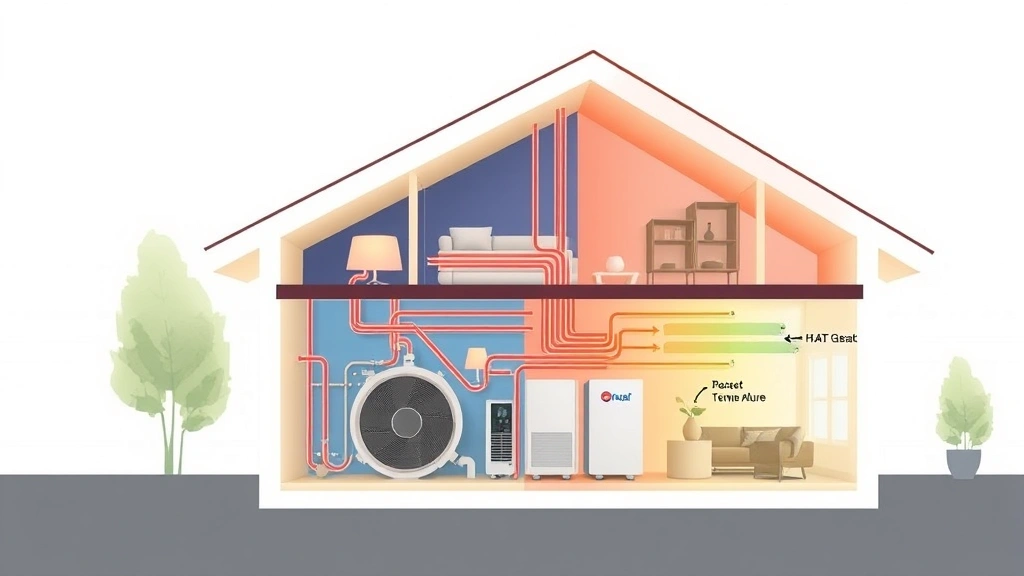
A heat pump operates on a fundamental principle: energy transfer rather than energy generation. The system uses a refrigerant cycle to absorb heat from a source (outdoor air, ground, or water) and releases it into your home. This process requires electrical energy to power the compressor, which pressurizes the refrigerant and enables the heat transfer cycle. The elegance of this system lies in its ability to move thermal energy against the natural temperature gradient—from cold environments into warm spaces.
The four main components of any heat pump system include the evaporator, compressor, condenser, and expansion device. The evaporator absorbs heat from the external source, transforming liquid refrigerant into vapor. The compressor then increases the pressure and temperature of this vapor, making it hot enough to transfer heat into your home through the condenser. The expansion device reduces pressure before the cycle repeats. This continuous loop demonstrates why heat pump efficiency metrics require different measurement standards than traditional heating systems.
Three primary types of heat pumps exist: air-source, ground-source (geothermal), and water-source systems. Air-source heat pumps extract heat from outdoor air, making them the most common residential choice due to lower installation costs. Ground-source systems tap into stable underground temperatures, providing superior efficiency but requiring significant excavation. Water-source heat pumps utilize bodies of water or water tables, offering another efficient alternative in appropriate geographic locations. Each type operates on identical thermodynamic principles but achieves different efficiency levels based on environmental conditions.
The Carnot Cycle and Theoretical Efficiency
The Carnot heat pump efficiency represents the theoretical maximum efficiency possible under ideal conditions, named after French physicist Sadi Carnot who developed this foundational thermodynamic concept in 1824. The Carnot cycle describes an idealized, reversible thermodynamic cycle operating between two temperature reservoirs. For heat pumps, this theoretical maximum efficiency is calculated using absolute temperatures (measured in Kelvin) of the heat source and the desired output temperature.
The mathematical relationship for Carnot efficiency in a heat pump context is expressed as: COPCarnot = Thot / (Thot – Tcold), where temperatures are measured in Kelvin. This formula reveals a critical insight: as the temperature difference between source and destination increases, the theoretical maximum efficiency decreases. For example, extracting heat from outdoor air at -10°C (-283K) to heat a home to 21°C (294K) yields a theoretical maximum COP of approximately 14.7. However, real-world systems never achieve this theoretical limit due to irreversibilities in the thermodynamic process.
Understanding the Carnot cycle requires mental clarity and sustained focus, much like the concentration techniques discussed in Atomic Habits Review, where building understanding through repeated engagement strengthens comprehension. The Carnot cycle serves as a benchmark against which all real heat pump systems are measured. No actual heat pump can achieve Carnot efficiency because real systems experience irreversibilities such as friction, heat losses, and non-ideal gas behavior. Nevertheless, the Carnot limit provides valuable context for evaluating actual system performance.
Research from the U.S. Department of Energy’s Office of Scientific and Technical Information demonstrates that modern heat pumps typically achieve 40-60% of the theoretical Carnot efficiency, which still represents substantial advantages over traditional heating methods. This gap between theory and practice motivates ongoing research into advanced materials, improved compressor designs, and optimized refrigerants that push real-world systems closer to theoretical limits.
Coefficient of Performance Explained
The coefficient of performance (COP) is the practical metric used to evaluate actual heat pump efficiency in real-world installations. COP is defined as the ratio of useful thermal energy transferred to the electrical energy input required to operate the system. A heat pump with a COP of 3.0 means that for every unit of electrical energy consumed, three units of thermal energy are delivered to the conditioned space. This metric fundamentally differs from the efficiency percentages (0-100%) used for traditional furnaces, which is why direct comparisons can be misleading.
The seasonal energy efficiency ratio (SEER) and heating seasonal performance factor (HSPF) represent standardized measurements of heat pump efficiency across entire seasons, accounting for varying outdoor temperatures throughout the year. SEER measures cooling efficiency, while HSPF measures heating efficiency. These metrics provide more realistic assessments than laboratory COP measurements because they incorporate seasonal temperature variations that significantly impact system performance. A high-efficiency modern heat pump might achieve SEER ratings of 16-20 and HSPF ratings of 9-12, compared to older systems rated at 10 SEER and 6 HSPF.
The distinction between steady-state COP (measured at specific temperature conditions) and seasonal COP reflects the complex relationship between environmental conditions and system performance. Steady-state COP provides precise data for engineering calculations, while seasonal metrics offer practical guidance for consumers evaluating energy costs. For heating applications, the COP decreases as outdoor temperatures drop because the temperature differential increases, requiring the compressor to work harder. Understanding this relationship helps explain why heat pump efficiency varies dramatically between mild climates and cold regions.
Real-World vs Theoretical Efficiency
The gap between theoretical Carnot efficiency and real-world COP measurements reveals the practical challenges engineers face when designing heat pump systems. Several irreversibilities prevent actual systems from approaching theoretical limits: compressor inefficiencies, refrigerant pressure drops across valves and piping, heat losses through insulation, and non-ideal refrigerant properties all reduce overall system efficiency. Additionally, the expansion valve causes throttling losses—an inherently irreversible process that wastes available work potential.
Compressor technology represents the largest source of inefficiency in practical heat pump systems. Real compressors exhibit mechanical losses from friction, volumetric losses from internal leakage, and thermodynamic losses from non-isentropic compression. Modern variable-speed compressors address some of these inefficiencies by operating at reduced capacity during mild weather conditions, avoiding the energy waste associated with oversized equipment running at part-load. Scroll compressors, rotary compressors, and reciprocating compressors each offer different efficiency characteristics depending on operating conditions and application requirements.
Environmental conditions dramatically influence real-world COP measurements. Air-source heat pumps experience significant COP reductions during winter operation when outdoor temperatures are lowest, exactly when heating demand is highest. A system rated at COP 3.5 in moderate conditions might achieve only COP 1.5 in extreme cold, requiring supplemental electric resistance heating to meet comfort demands. This seasonal variation explains why cold-climate regions often benefit more from ground-source heat pumps, which maintain relatively constant source temperatures year-round. The mental discipline required to evaluate heat pump performance across seasonal variations parallels the focus needed to maintain healthy habits, as explored in Breaking the Habit of Being Yourself.
Factors Affecting Heat Pump Performance
Numerous variables influence heat pump efficiency in practical installations, extending far beyond the theoretical thermodynamic limits. The temperature differential between source and destination represents the primary factor affecting COP—smaller differentials enable higher efficiency. This principle explains why ground-source heat pumps operating with modest temperature differences achieve superior seasonal performance compared to air-source systems that must handle extreme outdoor temperature swings. Proper system sizing ensures equipment operates near design capacity rather than oversized units cycling on and off inefficiently.
Refrigerant selection significantly impacts heat pump performance, as different refrigerants exhibit varying thermodynamic properties, pressure-temperature relationships, and heat transfer characteristics. Traditional CFC and HCFC refrigerants have been phased out due to ozone depletion concerns, replaced by HFC and HFO alternatives with different efficiency profiles. Refrigerant charge levels must be precisely maintained—both overcharging and undercharging reduce efficiency and can damage the compressor. Regular maintenance, including refrigerant leak detection and correction, preserves optimal system performance throughout the equipment’s operational life.
Installation quality profoundly affects real-world heat pump efficiency. Proper insulation of refrigerant piping prevents heat losses during circulation. Correct expansion valve calibration ensures appropriate refrigerant flow rates for the specific operating conditions. Adequate airflow across evaporators and condensers prevents performance degradation. Poor ductwork design in air-source systems can reduce effective heating capacity by 20-30% compared to properly designed installations. These practical considerations explain why hiring qualified HVAC contractors familiar with heat pump installation standards is essential for achieving rated efficiency levels.
Building envelope characteristics determine how effectively a heat pump can condition interior spaces. Homes with poor insulation, air leakage, and thermal bridging require larger heat pump systems and operate at lower overall efficiency. Conversely, well-insulated homes with minimal air leakage allow smaller, more efficient heat pumps to maintain comfort. This relationship between building performance and heat pump sizing demonstrates why comprehensive approaches to system optimization yield superior results compared to isolated component improvements.
Improving Heat Pump Efficiency
Several practical strategies enhance heat pump efficiency in both new installations and retrofit applications. Hybrid systems combining heat pumps with backup heating sources optimize performance across temperature ranges—heat pumps operate efficiently in moderate conditions while backup systems handle extreme cold periods without forcing the heat pump into inefficient operation. This approach proves particularly valuable in cold climates where extended heating seasons would otherwise require frequent supplemental heating operation at low COP values.
Variable-capacity compressors and inverter-driven systems represent significant technological advances improving seasonal efficiency. These systems modulate compressor speed based on heating or cooling demand, maintaining operation closer to design conditions throughout the season. Rather than cycling between full capacity and off, variable-capacity systems reduce compressor speed during part-load conditions, eliminating the inefficiency associated with oversized equipment. Modern inverter heat pumps achieve HSPF ratings 30-50% higher than traditional fixed-capacity systems.
Thermal storage integration—including thermal mass, phase-change materials, or hot water tanks—smooths demand patterns and allows heat pumps to operate more consistently at efficient capacity levels. By storing thermal energy during periods of peak COP and releasing it during less efficient periods, thermal storage systems reduce overall energy consumption. This strategy parallels the focus and concentration principles discussed in Books on Mental Health, where managing energy and timing efforts strategically produces superior outcomes.
Smart controls and demand-side management enable heat pumps to operate during periods of lower outdoor temperatures or lower electrical grid demand, improving both system efficiency and electrical system stability. Advanced controls can predict heating and cooling needs based on weather forecasts, occupancy patterns, and thermal characteristics, pre-conditioning spaces during optimal efficiency windows. Integration with renewable energy sources, particularly solar photovoltaic systems, allows heat pumps to operate using clean electricity, further improving environmental benefits.
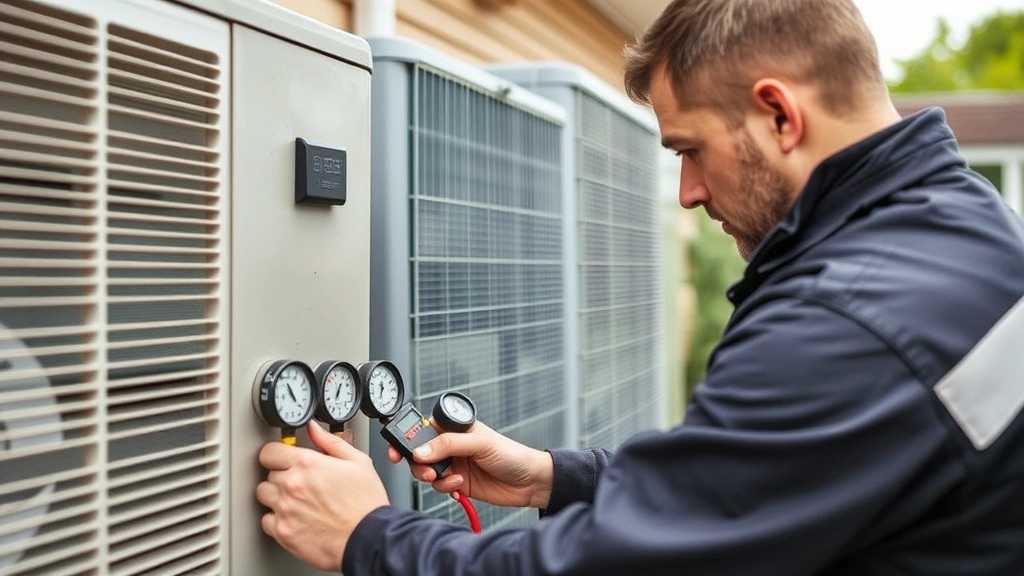
Proper maintenance protocols sustain efficiency throughout equipment lifespan. Annual professional servicing including refrigerant charge verification, compressor performance testing, and heat exchanger cleaning prevents gradual efficiency degradation. Homeowners can supplement professional maintenance by regularly cleaning air filters, removing debris from outdoor units, and ensuring adequate airflow around condensers. These preventive measures preserve the efficiency gains achieved through proper system selection and installation.
Research from the National Renewable Energy Laboratory indicates that properly maintained and optimally operated heat pumps can reduce heating and cooling energy consumption by 30-50% compared to conventional systems. Further efficiency improvements emerge from emerging technologies including magnetic bearings for friction reduction, advanced compressor designs, and novel refrigerants with superior thermodynamic properties. The trajectory of heat pump technology suggests continued efficiency improvements as manufacturers respond to climate change imperatives and energy efficiency regulations.
FAQ
What is the difference between COP and efficiency percentage?
COP (coefficient of performance) represents the ratio of energy output to energy input, while efficiency percentage measures the fraction of input energy converted to useful output. Because heat pumps move energy rather than generate it, COP can exceed 1.0 (or 100%), making direct comparisons with traditional furnace efficiency misleading. A heat pump with COP 3.0 delivers three times more thermal energy than the electrical energy it consumes, which would be impossible for a traditional heating system.
Why does heat pump efficiency decrease in cold weather?
Cold weather reduces heat pump efficiency because the temperature differential between outdoor air and the desired indoor temperature increases, requiring more compressor work to transfer heat. As outdoor temperatures drop, the Carnot efficiency limit decreases according to the thermodynamic relationship between temperature differential and maximum possible COP. This is why ground-source heat pumps maintain more consistent efficiency across seasons—underground temperatures remain relatively stable year-round.
Can a heat pump achieve Carnot efficiency?
No heat pump can achieve theoretical Carnot efficiency in real-world operation. Carnot efficiency represents an idealized, reversible thermodynamic cycle impossible to achieve practically. Real systems experience irreversibilities including friction, pressure losses, non-ideal gas behavior, and throttling losses that prevent approaching the theoretical limit. Modern heat pumps typically achieve 40-60% of Carnot efficiency, which still represents substantial advantages over conventional heating systems.
How does ground-source compare to air-source efficiency?
Ground-source heat pumps typically achieve 25-50% higher seasonal efficiency than air-source systems because ground temperatures remain relatively constant (45-60°F depending on location), creating smaller temperature differentials year-round. Air-source systems must handle extreme outdoor temperature variations, forcing the compressor to work much harder during winter operation. However, ground-source systems require significant installation investment for boring or excavation, making them cost-prohibitive for many applications despite superior efficiency.
What HSPF rating indicates a high-efficiency heat pump?
Modern high-efficiency heat pumps achieve HSPF ratings of 9-12, while older systems typically rated 6-7 HSPF. The ENERGY STAR minimum for cold climates is 8.25 HSPF, while milder climates require 8.0 HSPF. Higher HSPF ratings indicate greater seasonal heating efficiency and lower operating costs. When evaluating specific models, compare HSPF ratings within the same efficiency tier, as ratings vary based on test conditions and equipment configuration.
How often should heat pumps be serviced for optimal efficiency?
Professional heat pump maintenance should occur annually, ideally before the heating season begins. Annual servicing includes refrigerant charge verification, compressor performance testing, electrical connection inspection, and heat exchanger cleaning. Homeowners should perform monthly filter checks and quarterly inspections of outdoor unit cleanliness. This preventive maintenance preserves efficiency throughout the equipment’s 15-25 year operational lifespan, preventing the gradual efficiency degradation that occurs with neglected systems.


