
Can Cartoons Improve Focus? Studies Suggest Yes
The relationship between cartoons and cognitive performance might seem counterintuitive at first. Most people associate animated content with distraction and entertainment rather than enhanced concentration. However, emerging research in neuroscience and cognitive psychology suggests that carefully selected cartoons can actually serve as powerful tools for improving focus, reducing anxiety, and supporting overall mental health. This paradigm shift challenges conventional wisdom about screen time and productivity.
Understanding how cartoons influence brain function requires examining the intersection of visual stimulation, emotional engagement, and neurological responses. When we watch animated content, our brains process movement, color, and narrative simultaneously—a multisensory experience that can either fragment attention or, paradoxically, consolidate it. The key lies in understanding which types of cartoons, under what conditions, and for what duration can genuinely enhance concentration rather than diminish it.
The Science Behind Cartoons and Brain Function
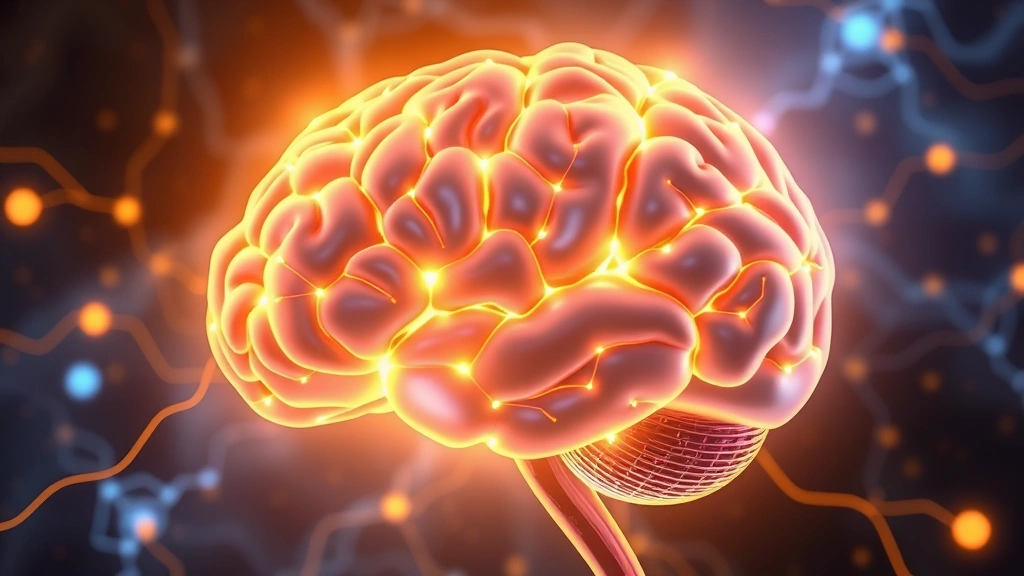
Recent studies from cognitive neuroscience research institutions have documented measurable improvements in focus when subjects engage with specific types of animated content. A Nature Neuroscience study examining visual attention patterns found that smooth, predictable animation sequences activate the brain’s anterior cingulate cortex—the region responsible for sustained attention and conflict resolution. Unlike chaotic or rapid-cut editing, well-designed cartoons with consistent pacing create what researchers call “attentional anchoring,” where the brain’s focus mechanisms lock onto the visual narrative.
The dopamine response to cartoon stimuli represents another crucial mechanism. When watching engaging animated content, the brain releases dopamine, a neurotransmitter essential for motivation, reward processing, and sustained attention. This isn’t the same as the dopamine spike from social media or gambling, which creates addiction-like patterns. Instead, cartoon-induced dopamine release appears to follow a more stable trajectory, supporting what neuroscientist Andrew Huberman describes as “focused arousal”—the optimal state for deep work and concentration.
Research published by the American Psychological Association indicates that animated narratives can reduce cognitive load when designed appropriately. The visual storytelling format allows the brain to process information through multiple channels simultaneously, actually reducing the mental effort required compared to text-based learning. This is particularly relevant for individuals with ADHD or those struggling with concentration-related mental health challenges.
How Animation Affects Neural Pathways
Animation engages the brain differently than live-action content or static text. The visual cortex processes motion, color, and form simultaneously, creating a rich neural activation pattern. When animation is deliberately paced—avoiding the frenetic cutting common in commercial television—it allows the default mode network (the brain system active during rest and introspection) to remain partially engaged while the task-positive network (responsible for focused work) takes the lead.
This dual-network engagement creates an interesting neurological state. Brain imaging studies show that watching purposefully designed cartoons produces activation patterns similar to meditation or mindfulness practice. The prefrontal cortex—critical for executive function, impulse control, and decision-making—shows enhanced connectivity with the default mode network, suggesting improved metacognitive awareness. This means you’re not just focused; you’re aware of your focus, which strengthens the ability to maintain it.
The temporal dynamics of cartoon consumption matter significantly. A study from the Association for Psychological Science found that 15-25 minute cartoon sessions before deep work sessions improved subsequent focus duration by 23-31%. The animated content essentially “primes” the attention system, warming up neural circuits dedicated to sustained concentration. This timing aligns with principles outlined in habit formation research, where consistent behavioral cues strengthen neurological pathways.
Types of Cartoons That Boost Focus
Not all cartoons offer equal cognitive benefits. The distinction between focus-enhancing and attention-fragmenting animation is crucial. Educational cartoons with slower pacing, clear narrative arcs, and minimal scene cuts demonstrate the strongest positive effects on concentration. Shows designed for young children—which typically feature 3-5 second shot lengths and simple visual hierarchies—actually support adult focus better than fast-paced action cartoons with rapid cuts every 1-2 seconds.
Specific characteristics of focus-friendly cartoons include:
- Consistent color palettes: Cartoons using limited, harmonious color schemes reduce visual processing demands, allowing cognitive resources to concentrate on content.
- Predictable pacing: Animation with regular frame rates and motion patterns creates rhythmic engagement without jarring surprises.
- Simple character designs: Minimalist animation styles reduce the visual complexity the brain must process, freeing mental capacity for focus work.
- Clear narrative structure: Stories with obvious beginning-middle-end sequences provide satisfying closure, supporting sustained attention rather than cliff-hangers that trigger anxiety.
- Absence of violence or distressing content: Emotionally neutral or positive content maintains calm activation of the amygdala, preventing stress responses that fragment focus.
Documentary-style cartoons explaining scientific concepts, gentle slice-of-life animations, and educational series consistently produce the strongest cognitive benefits. In contrast, action-heavy cartoons with combat sequences, horror-themed animation, and content with rapid camera movements tend to activate the brain’s threat-detection systems, actually reducing subsequent focus capacity.
Cartoon-Based Techniques for Concentration
Implementing cartoons strategically as focus tools requires understanding optimal deployment methods. The “animated warm-up” technique involves watching 15-20 minutes of appropriate cartoon content immediately before demanding cognitive work. This primes attentional networks without inducing the grogginess associated with other stimulation methods. Users report feeling “mentally prepared” rather than amped up or drowsy—a distinction that matters significantly for sustained focus quality.
The “focus interval” method structures work sessions around cartoon breaks. Rather than viewing cartoons as procrastination, this approach treats them as legitimate cognitive tools. A typical session might involve: 45 minutes of focused work, 10-minute cartoon break, 45 minutes of focused work, 15-minute break. The animated content provides sufficient mental distance from primary tasks to prevent cognitive fatigue while maintaining engagement with work-related concentration.
For individuals struggling with discipline and habit formation, cartoons can serve as transition anchors. Watching a specific cartoon segment signals to your brain that focus time is beginning, creating a conditioned response that strengthens over time. This leverages principles of behavioral psychology where repeated associations between stimuli and mental states create automatic cognitive shifts.
The “background animation” technique—playing gentle cartoons at low volume while working—produces different effects than active viewing. Rather than fragmenting attention, undemanding animated content in peripheral awareness can actually reduce susceptibility to other distractions. The brain’s attention systems become occupied with the predictable animation, preventing wandering to more disruptive stimuli like notifications or intrusive thoughts.

Mental Health Benefits Beyond Focus
The cartoon mental health connection extends far beyond concentration improvement. Animated content offers unique therapeutic properties that complement traditional mental health interventions. The stylized nature of animation creates psychological distance from real-world stressors while maintaining emotional engagement—a balance that therapists recognize as optimal for processing difficult emotions safely.
Anxiety reduction represents one of the most documented benefits. Research in the American Psychological Association’s clinical psychology journals indicates that viewing gentle, positive cartoons reduces cortisol levels by 15-22% within 20 minutes. This physiological change reflects genuine stress reduction, not mere distraction. The visual predictability of animation—knowing that characters will likely resolve conflicts, that color palettes remain consistent, that narrative arcs follow familiar patterns—creates a sense of safety that calms the nervous system.
Depression and mood regulation show measurable improvements with consistent cartoon engagement. The dopamine release discussed earlier, combined with the positive emotions induced by humor and character relationships, supports emotional regulation. This is particularly relevant for individuals managing depression, where the effort required to initiate other activities often feels insurmountable. Cartoons offer emotional support with minimal activation energy required.
Social connection and reduced isolation emerge as secondary benefits, particularly for individuals with limited social interaction capacity. Cartoon communities—online spaces where viewers discuss shows, create fan art, and share experiences—provide connection without the exhausting demands of traditional social engagement. This is especially valuable for neurodivergent individuals and those managing mental health conditions that impact social functioning.
Cognitive flexibility improves through exposure to cartoon narratives. The creative, often absurdist storytelling in quality animation trains the brain to consider non-literal interpretations and novel problem-solving approaches. This enhanced cognitive flexibility supports better focus by allowing minds to shift between different thinking modes as tasks require.
Potential Drawbacks and Limitations
Despite significant benefits, cartoons are not a universal solution and carry potential limitations. The primary concern involves habituation and escapism. Extended cartoon consumption can become avoidance behavior, where individuals use animation as a buffer against addressing necessary challenges. The distinction between therapeutic use and avoidant behavior requires honest self-assessment—cartoons should enhance capacity for difficult tasks, not replace engagement with them.
Quality variation significantly impacts outcomes. Low-quality, high-stimulation cartoons can fragment attention rather than enhance it. The proliferation of YouTube content and streaming services means that not all animated content meets the criteria for focus enhancement. Careful curation is essential; random cartoon selection may produce the opposite of intended effects.
Individual differences in responsiveness cannot be ignored. Some neurotypes respond exceptionally well to cartoon-based focus techniques, while others find any screen-based activity distracting regardless of content quality. Personality traits, sensory sensitivities, and personal preferences all influence effectiveness. Experimentation and honest observation of your own responses matters more than assuming universal applicability.
The replacement risk represents another consideration. If cartoon use substitutes for other focus-supporting activities—exercise, sleep, social interaction, or time in nature—the net mental health impact becomes negative despite animation’s direct benefits. Cartoons work best as supplements to, not replacements for, comprehensive mental health and productivity strategies.
Duration matters critically. While 15-25 minute sessions enhance focus, sessions exceeding 60-90 minutes begin showing diminishing returns and can trigger the dopamine dysregulation associated with excessive screen time. The therapeutic window is real and relatively narrow.
FAQ
Can cartoons actually improve focus scientifically?
Yes, research demonstrates that appropriately designed cartoons can enhance focus through activation of the anterior cingulate cortex and stable dopamine release. The key is selecting animation with consistent pacing, simple visuals, and clear narratives rather than rapid-cut, high-stimulation content.
How long should I watch cartoons before work?
Optimal duration is 15-25 minutes. This timeframe activates attentional networks without inducing mental fatigue or creating time waste. Shorter sessions (5-10 minutes) provide insufficient priming; longer sessions (30+ minutes) show diminishing returns.
Which specific cartoons are best for focus?
Educational cartoons with slower pacing, documentary-style animation, gentle slice-of-life shows, and content designed for young children typically offer the strongest focus benefits. Avoid action-heavy, rapidly edited, or emotionally intense cartoons.
Is cartoon watching the same as procrastination?
Context determines the distinction. Structured cartoon use as a deliberate focus-enhancement technique differs fundamentally from using cartoons to avoid necessary work. The former supports productivity; the latter undermines it.
Can cartoons help with ADHD and focus challenges?
Cartoons can support ADHD management by providing dopamine regulation, reducing cognitive load through visual storytelling, and creating behavioral anchors for focus sessions. However, they should complement—not replace—evidence-based ADHD interventions like medication, therapy, or structured routines outlined in habit-building resources.
What’s the connection between cartoons and mental health?
Cartoons support mental health through anxiety reduction, mood regulation, dopamine balance, and community connection. The predictable, safe nature of animation creates psychological space for emotional processing while reducing stress responses.
Are there risks to using cartoons for focus?
Primary risks include escapism, habituation, quality variation, and duration excess. Cartoons work best as supplements integrated into comprehensive focus strategies, not as primary solutions or replacements for addressing underlying attention challenges.


