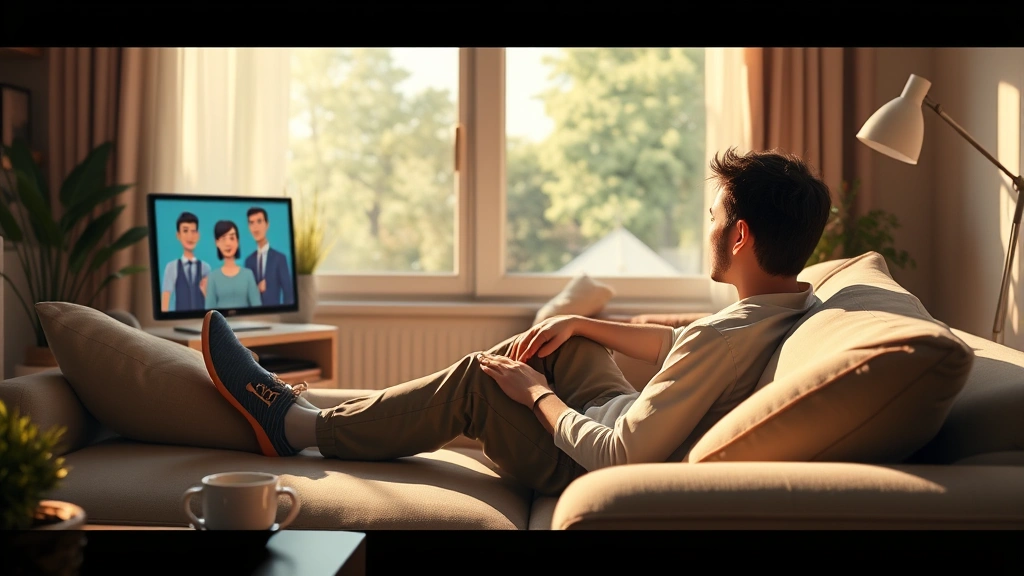
Cartoons Boost Focus? Experts Weigh In on Mental Health Awareness
The intersection of cartoons and mental health has become increasingly relevant in our modern wellness landscape. While many assume cartoons are purely entertainment, emerging research suggests that animated content focused on mental health awareness can meaningfully impact focus, emotional regulation, and psychological well-being. This comprehensive exploration examines whether cartoons truly boost concentration and mental clarity, or if the connection is merely superficial.
Mental health professionals and cognitive scientists have begun investigating how visual storytelling through animation can enhance our ability to process emotional information and maintain sustained attention. The evidence is more nuanced than a simple yes or no—it depends heavily on content quality, viewing context, and individual cognitive profiles.
How Cartoons Affect Brain Function and Focus
Understanding whether cartoons about mental health enhance focus requires examining neurological mechanisms. When we watch animated content, multiple brain regions activate simultaneously: the visual cortex processes imagery, the prefrontal cortex engages with narrative comprehension, and the limbic system responds emotionally to character experiences.
Research from the Frontiers in Psychology journal demonstrates that animated storytelling can activate the default mode network, which is crucial for self-referential thinking and emotional processing. This activation pattern differs significantly from passive television consumption, suggesting that intentionally designed mental health cartoons can enhance cognitive engagement rather than diminish it.
The key distinction lies in content design. Cartoons created specifically to communicate mental health concepts use visual metaphors, character development, and narrative arcs that facilitate deeper cognitive processing. This contrasts sharply with mindless entertainment consumption, which typically reduces focus capacity.
Brain imaging studies show that viewers of educational animated content demonstrate increased activity in the areas associated with attention and memory consolidation, particularly when the animation includes relatable characters facing real psychological challenges. This suggests cartoons can serve as effective cognitive tools rather than mere distractions.
The Science Behind Visual Storytelling
Visual narratives engage our brains differently than text-based information. According to cognitive psychology research, visual information processing is faster and more emotionally impactful than verbal processing alone. When cartoons combine visual storytelling with mental health education, they leverage this neurological advantage.
The brain’s mirror neuron system becomes particularly active when watching animated characters experience emotions. This neural mechanism allows viewers to simulate the character’s psychological state, creating what researchers call embodied cognition. For individuals struggling with mental health challenges, seeing animated characters navigate similar experiences can reduce isolation and improve emotional clarity—ultimately enhancing focus on personal well-being.
Nature Scientific Reports published findings indicating that narrative-driven visual content produces stronger memory retention and emotional resonance compared to informational graphics alone. This has profound implications for mental health education through cartoons.
Furthermore, the animation medium itself offers unique advantages. Animators can visually represent internal psychological processes—like anxiety spirals, depression fog, or racing thoughts—that would be difficult to convey through live-action or static images. This visual language creates cognitive shortcuts that help viewers understand complex mental health concepts more intuitively.
Connecting to broader wellness frameworks, understanding atomic habits and their role in mental health complements cartoon-based learning, as both emphasize small, consistent changes in behavior and perception.

Cartoons About Mental Health Benefits
Specific benefits emerge when examining cartoons designed to address mental health topics. These benefits extend beyond simple entertainment value:
- Emotional Validation: Seeing animated characters experience anxiety, depression, or other mental health challenges validates viewers’ own experiences, reducing shame and isolation
- Coping Strategy Introduction: Cartoons can demonstrate practical coping mechanisms like breathing exercises, mindfulness, or cognitive reframing in accessible, memorable formats
- Destigmatization: Regular exposure to mental health narratives in mainstream cartoon formats normalizes psychological struggles as part of human experience
- Improved Attention to Self-Care: Engaging with cartoon content about mental health increases viewers’ focus on personal psychological needs and self-awareness
- Enhanced Emotional Literacy: Animated characters modeling emotional expression helps viewers develop stronger vocabularies for describing their own mental states
The American Psychological Association recognizes animation as an increasingly valuable tool for psychological education and intervention, particularly among younger audiences who grew up with animated media as a primary communication format.
For those interested in comprehensive mental health resources, the best mental health books complement cartoon-based learning by providing deeper exploration of psychological concepts introduced through animation.
Attention Span and Animated Content
Critics argue that cartoon consumption reduces attention span, but this oversimplifies the relationship between media and focus. The critical variable is intentional viewing versus passive consumption.
Research in cognitive science distinguishes between sustained attention (maintaining focus on a single task) and selective attention (filtering relevant information from distractions). Quality animated content about mental health can actually strengthen selective attention by requiring viewers to track character development, identify psychological patterns, and connect visual metaphors to real-world experiences.
Conversely, mindless cartoon consumption—rapid scene changes, bright colors, constant stimulation without narrative coherence—can indeed reduce sustained attention capacity over time. The distinction is crucial: the medium itself is not the problem; the content design and viewing intention determine outcomes.
Studies from cognitive neuroscience labs demonstrate that viewers who actively engage with animated narratives (predicting character actions, analyzing emotional responses, connecting themes to personal experiences) show improved attention metrics compared to passive viewers. This suggests that intentional cartoon consumption about mental health can actually enhance focus capacity.
The prefrontal cortex, responsible for executive function and sustained attention, becomes more active when viewers engage with complex narratives requiring interpretation and emotional processing. Mental health cartoons specifically designed with narrative complexity activate these cognitive regions more effectively than simplistic entertainment content.

Best Practices for Mental Health Cartoons
To maximize focus and mental health benefits from animated content, consider these evidence-based practices:
- Select Purpose-Driven Content: Choose cartoons explicitly designed for mental health education rather than entertainment cartoons with occasional mental health references. The intentionality of design significantly impacts cognitive and emotional outcomes.
- Practice Active Viewing: Engage with content consciously by pausing to reflect on character experiences, identifying relevant coping strategies, and connecting animated narratives to personal situations. This transforms passive consumption into active learning.
- Limit Session Duration: Research suggests optimal cognitive engagement occurs within 20-45 minute viewing windows. Longer sessions produce diminishing returns on attention and emotional processing.
- Follow Up with Reflection: After viewing, spend time journaling or discussing the content. This consolidates learning and deepens the mental health insights gained from animated narratives.
- Balance with Other Modalities: Combine cartoon-based learning with reading the best mental health books and other educational formats to develop well-rounded understanding.
- Consider Individual Needs: Different mental health topics and animation styles resonate with different people. Experiment to find content that genuinely speaks to your psychological needs and learning style.
Professional mental health organizations increasingly recommend animated content as a supplementary tool within comprehensive mental health strategies. The key is integration within a broader wellness framework rather than reliance on animation as a primary intervention.
For those interested in behavioral change through media, exploring breaking the habit of being yourself provides deeper context for how media consumption shapes our psychological patterns and identity.
Integrating Cartoons into Wellness Routines
Practical integration of cartoons about mental health into daily routines requires strategic planning. Rather than replacing traditional mental health practices, cartoons serve as complementary tools within comprehensive wellness approaches.
Mental health professionals suggest incorporating animated content during specific times: morning routines for motivation and emotional grounding, lunch breaks for mindfulness and stress reduction, or evening wind-down periods for reflection and processing. The timing influences cognitive and emotional outcomes significantly.
Creating accountability through viewing groups or discussion partnerships amplifies benefits. Shared viewing experiences activate social engagement circuits in the brain, enhancing emotional processing and memory consolidation. This community aspect transforms individual consumption into collective learning and support.
Organizations like the National Institute of Mental Health acknowledge that diverse educational modalities—including animation—improve public understanding of mental health conditions and reduce stigma across populations.
Limitations and Realistic Expectations
While cartoons offer genuine benefits, maintaining realistic expectations is essential. Animated content cannot replace professional mental health treatment, therapy, or medication when clinically indicated. Cartoons function best as educational supplements and emotional validation tools, not as primary interventions for serious mental health conditions.
Some individuals may find cartoon-based mental health content oversimplifies complex psychological experiences. Neurodivergent individuals, those with trauma histories, or people with specific mental health conditions might require different educational modalities. Customization based on individual needs is crucial.
Additionally, the quality of mental health cartoons varies significantly. Content created without input from mental health professionals may perpetuate myths, stigma, or inaccurate representations of psychological conditions. Evaluating source credibility and professional involvement in content creation is essential.
The research base, while growing, remains limited compared to traditional mental health interventions. Most studies examine short-term effects rather than long-term outcomes. This suggests cartoons work best as components within comprehensive mental health strategies rather than standalone solutions.
Frequently Asked Questions
Do cartoons actually improve focus or just seem entertaining?
Quality mental health cartoons can improve focus when they’re intentionally designed with complex narratives requiring active cognitive engagement. The distinction between passive entertainment and purposeful learning is critical—poorly designed cartoons may reduce focus, while well-crafted educational animation enhances it.
Are mental health cartoons appropriate for all ages?
Cartoons about mental health vary in complexity and age-appropriateness. Some are designed for young children, others for adolescents or adults. Always review content beforehand to ensure alignment with developmental stage and individual needs.
Can cartoons replace therapy or medication?
Absolutely not. Cartoons serve as educational and emotional support tools, never as replacements for professional mental health treatment. Anyone experiencing significant mental health challenges should consult qualified mental health professionals.
How much cartoon viewing is too much?
Research suggests 20-45 minute sessions with reflection periods are optimal for cognitive and emotional processing. Extending beyond this window produces diminishing returns and may reduce attention capacity.
What makes a mental health cartoon effective?
Effective mental health cartoons include: accurate psychological information, relatable characters, realistic scenarios, practical coping strategies, professional mental health input, and intentional narrative design that encourages active viewer engagement.
Are there cartoons specifically designed for adult mental health?
Yes, an increasing number of animated series and films address adult mental health topics including anxiety, depression, burnout, relationship challenges, and existential concerns. These differ significantly from children’s mental health animation in complexity and content.
How do I find quality mental health cartoons?
Look for content created with mental health professional input, recommendations from mental health organizations, peer reviews from mental health communities, and alignment with evidence-based psychological approaches. The FocusFlowHub Blog regularly reviews and recommends quality mental health content across formats.
Can cartoons help with specific conditions like anxiety or ADHD?
Some cartoons specifically address particular mental health conditions with evidence-based information and practical strategies. However, they work best as supplementary tools within comprehensive treatment plans that may include therapy, medication, lifestyle changes, and professional support.


