Chinatown’s Mental Health: Community Insights and Cultural Considerations
Mental health challenges affect communities worldwide, but Chinatown neighborhoods face unique cultural, linguistic, and socioeconomic barriers that often go unaddressed. Understanding Chinatown mental health requires examining the intersection of traditional beliefs, immigration experiences, and access to culturally competent care. These vibrant communities deserve targeted support that respects their values while providing evidence-based treatment.
The mental health landscape in Chinatown neighborhoods reflects broader patterns of health disparities, compounded by language barriers, stigma rooted in cultural traditions, and limited awareness of available resources. This article explores the community insights that shape mental health outcomes and identifies pathways toward improved wellness and support systems.
Cultural Factors Affecting Mental Health
Chinatown communities maintain rich cultural traditions that profoundly influence how residents understand and approach mental health. Traditional Chinese medicine emphasizes balance between mind, body, and spirit—a holistic framework that differs significantly from Western psychiatric models. Many residents integrate concepts like qi (vital life force) and yin-yang philosophy into their understanding of wellness, which can either complement or complicate access to conventional mental health treatment.
The concept of face (mianzi) remains central to social interactions within Chinatown. This cultural value emphasizes maintaining dignity and reputation, which can create significant barriers to seeking help. Mental illness may be perceived as a reflection of personal or family failure, leading individuals to suffer silently rather than risk shame. Research from the American Psychological Association’s cultural psychology research demonstrates how collectivist values prioritize family harmony over individual emotional expression.
Intergenerational trauma from immigration, displacement, and historical discrimination compounds contemporary mental health challenges. Many Chinatown residents or their ancestors experienced significant upheaval—from Chinese Exclusion Act policies to refugee experiences—creating multigenerational stress patterns that affect current residents’ psychological wellbeing.
Language and Access Barriers
Language accessibility represents one of the most critical barriers to mental health care in Chinatown neighborhoods. Many residents, particularly elderly community members, speak limited English and struggle to communicate complex emotional and psychological symptoms to healthcare providers. The absence of bilingual mental health professionals creates a significant gap in care delivery.
Beyond simple translation, cultural competency requires understanding idiomatic expressions and culturally specific mental health presentations. Symptoms of depression or anxiety may manifest differently across cultures, and direct translation of diagnostic criteria misses crucial nuances. For instance, somatic complaints (physical symptoms) often predominate in Asian populations presenting with depression, yet Western providers may not recognize this presentation.
Financial barriers intersect with language challenges. Many Chinatown residents work in low-wage service industries without comprehensive health insurance. Even when insurance is available, copays and deductibles create prohibitive costs. Community health centers and sliding-scale clinics provide some relief, but demand far exceeds capacity.
Transportation poses another practical obstacle. Older residents may have limited mobility, and younger working-age adults struggle to take time off for appointments. Mental health services concentrated outside Chinatown neighborhoods require navigating unfamiliar areas, compounding accessibility challenges.
Mental Health Stigma in Asian Communities
Stigma surrounding mental illness runs particularly deep in many Asian cultures, where psychological struggles are often viewed as personal weakness or moral failing. This stigma functions differently than in Western contexts—it’s not merely individual shame but collective family dishonor. Parents fear their children’s mental health struggles will damage marriage prospects or educational opportunities.
Traditional beliefs attribute mental illness to spiritual imbalance, ancestral displeasure, or karmic consequences. While these frameworks offer meaning and community support, they can delay professional intervention when medical treatment is necessary. The tension between traditional and Western explanatory models creates confusion about appropriate help-seeking.
Substance use disorders carry particular stigma in Chinatown communities, yet emerging research indicates significant prevalence rates. Fear of legal consequences, family rejection, and cultural shame often prevents individuals from seeking treatment. This silence perpetuates suffering and masks a genuine public health crisis requiring community attention.
To explore evidence-based approaches to wellness, consider reading about best mental health books that address cultural perspectives on healing and psychological wellbeing across diverse populations.

Available Services and Resources
Despite barriers, numerous organizations specifically serve Chinatown communities’ mental health needs. Chinatown mental health services include community health centers offering bilingual counseling, psychiatric medication management, and culturally adapted therapy approaches. These organizations recognize that effective treatment requires meeting communities where they are—linguistically, culturally, and geographically.
Peer support groups represent valuable resources, allowing community members to share experiences with others navigating similar challenges. These groups reduce isolation and provide practical coping strategies rooted in cultural understanding. Many operate in community centers, religious institutions, and dedicated mental health facilities throughout Chinatown neighborhoods.
Telehealth platforms increasingly bridge access gaps by connecting residents with bilingual providers without requiring travel. However, digital divides and privacy concerns in close-knit communities can limit adoption. Community organizations continue advocating for expanded virtual services while maintaining in-person options.
Crisis hotlines with multilingual staff provide immediate support during acute mental health emergencies. Many Chinatown residents remain unaware these resources exist, highlighting the importance of community education and outreach. Trusted community leaders and organizations must actively promote these services through culturally appropriate channels.
Community-Led Solutions
The most effective mental health interventions in Chinatown emerge from community leadership and grassroots organizing. Community health workers—individuals from within Chinatown—serve as cultural brokers, translating not just language but values, beliefs, and social norms. Their presence builds trust and increases engagement with professional services.
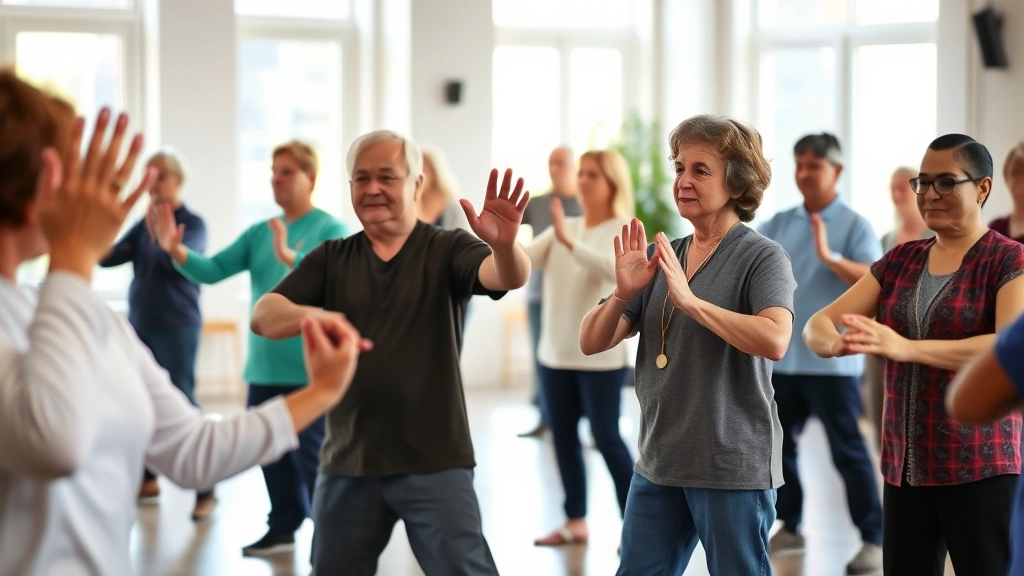
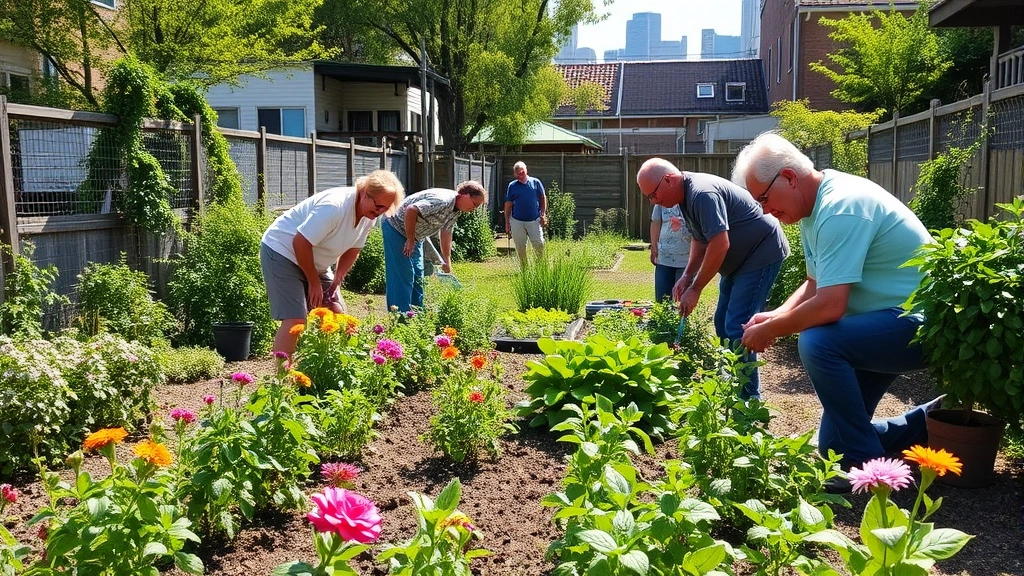
Community gardens, tai chi classes, and cultural programming address mental health through preventive wellness activities. These initiatives reduce isolation, build social connection, and provide accessible stress management tools aligned with cultural values. Research on mind-body interventions demonstrates significant mental health benefits from practices like tai chi and meditation.
Educational workshops conducted in Mandarin, Cantonese, and other community languages demystify mental illness and treatment options. When community members understand that depression and anxiety are medical conditions—not personal failings—they become more likely to seek help. Family-centered education helps parents recognize warning signs in children and adolescents.
Faith-based organizations within Chinatown communities play crucial roles in mental health support. Churches, temples, and community centers provide not only spiritual guidance but practical assistance. Many religious leaders now receive training in mental health awareness to better support congregants experiencing psychological distress. For perspectives integrating spirituality and mental wellbeing, explore Bible verses on mental health.
Advocacy organizations push for policy changes addressing systemic barriers. They demand increased funding for culturally competent services, push for hiring bilingual providers, and work to eliminate discriminatory practices in healthcare systems serving Chinatown residents.
Supporting Youth Mental Wellness
Young people in Chinatown face unique pressures combining cultural expectations, socioeconomic stress, and identity development challenges. Academic pressure from parents and community expectations often manifests as anxiety and depression. Immigration-related stress, discrimination experiences, and acculturation conflicts create additional psychological burden.
Schools serving Chinatown communities must implement culturally responsive mental health programming. Children’s mental health week initiatives provide opportunities to normalize conversations about emotional wellbeing and reduce stigma among younger generations. School counselors with cultural competency can identify struggling students and connect families with appropriate resources.
Peer support programs led by trained youth from the community prove particularly effective. When adolescents see successful peers openly discussing mental health, barriers to help-seeking diminish. Social media platforms offer innovative channels for youth mental health education, though providers must ensure culturally appropriate messaging.
Family therapy approaches that respect hierarchical family structures while addressing mental health challenges show promise in Chinatown communities. Rather than challenging traditional authority, effective therapy incorporates parental involvement and respects decision-making patterns while promoting emotional expression and individual wellbeing.
Building Resilience Through Connection
Strong social connection serves as a protective factor against mental illness across all populations, but carries particular importance in Chinatown communities where collective identity is central. Extended family networks, neighborhood relationships, and community organizations provide vital support systems when functioning well.
Intergenerational mentorship programs connect elders with youth, transmitting cultural knowledge while reducing isolation among older adults. These relationships build community cohesion and provide younger people with cultural grounding and perspective during identity development.
Workplace mental health initiatives must address conditions prevalent in industries employing many Chinatown residents—restaurants, laundries, garment factories, and small retail. Low wages, long hours, physically demanding work, and limited benefits create chronic stress. Employers’ recognition of mental health as workplace priority and provision of accessible resources can significantly reduce burden.
Housing instability disproportionately affects Chinatown residents, with gentrification and rising costs displacing long-term community members. The psychological impact of displacement trauma and housing insecurity demands targeted mental health support. Community organizations advocating for affordable housing simultaneously address fundamental mental health determinants.
Art and cultural expression provide powerful mental health tools in Chinatown communities. Traditional arts like calligraphy, painting, and music offer meditative benefits while connecting individuals to cultural heritage. Contemporary art forms allow younger generations to process experiences and emotions through creative outlets.
To build sustainable focus and resilience in addressing community mental health, understanding how habits shape outcomes proves valuable. The principles discussed in atomic habits review apply to community organizing—small consistent actions compound into significant change over time.
Frequently Asked Questions
What are the primary mental health challenges in Chinatown communities?
Chinatown residents face elevated rates of depression, anxiety, substance use disorders, and suicide compared to some populations, driven by language barriers, cultural stigma, immigration trauma, socioeconomic stress, and limited access to culturally competent care. Intergenerational trauma and acculturation stress compound these challenges.
How does cultural stigma prevent Chinatown residents from seeking mental health care?
Deep cultural values emphasizing family honor, individual resilience, and traditional explanatory models of illness create reluctance to seek professional help. Mental illness may be perceived as family shame or personal weakness, leading individuals to suffer silently rather than risk social consequences.
What resources exist specifically for Chinatown mental health?
Community health centers offering bilingual services, peer support groups, cultural organizations providing wellness programming, faith-based institutions, crisis hotlines with multilingual staff, and telehealth platforms all serve Chinatown communities. Availability varies by location, but organizations specifically focused on mental health resources can direct individuals to local options.
How can family members support someone struggling with mental health in Chinatown?
Family members can educate themselves about mental illness, encourage professional help-seeking, reduce stigma through open conversation, connect individuals with bilingual providers, and access family therapy incorporating cultural values. Respecting cultural frameworks while promoting evidence-based treatment balances tradition and effective care.
Why is bilingual mental health care crucial in Chinatown?
Language barriers prevent accurate symptom communication and cultural misunderstandings compromise treatment effectiveness. Bilingual providers understand how symptoms present differently across cultures and can communicate complex psychological concepts in culturally meaningful ways, significantly improving outcomes.
What role do community organizations play in addressing Chinatown mental health?
Community organizations provide culturally competent services, build trust as community insiders, deliver education reducing stigma, create peer support networks, advocate for policy changes, and address social determinants of health through programming and community organizing.


