Berklee Performance Center: Boston’s Cultural Hub for Artistic Excellence
There’s something transformative about stepping into a space where creativity thrives. The Berklee Performance Center stands as Boston’s premier destination for live music, dance, and theatrical performances—a venue that doesn’t just host events but cultivates an environment where artists and audiences connect on a deeper level. Whether you’re a seasoned concert-goer or someone looking to expand your cultural horizons, this iconic institution offers an experience that goes beyond entertainment.
Located in the heart of Boston’s vibrant music district, the Berklee Performance Center has earned its reputation as one of New England’s most respected performance venues. With state-of-the-art acoustics, intimate yet spacious seating, and a commitment to showcasing diverse artistic talent, it represents more than just a building—it’s a beacon for those seeking to engage with world-class performances and discover new passions.
What makes this venue truly special is its connection to Berklee College of Music, one of the world’s leading independent music colleges. This relationship creates a unique ecosystem where student performers, faculty artists, and international acts share the same stage, creating an electric atmosphere that you won’t find everywhere.
History and Significance in Boston’s Cultural Landscape
The Berklee Performance Center emerged from a vision to create a world-class venue that could serve both as a training ground for emerging artists and a premier performance space for established musicians. Opened in 1981, it quickly became instrumental in shaping Boston’s reputation as a cultural powerhouse. The venue’s founding was driven by Berklee College of Music’s recognition that students needed access to professional-grade performance facilities to develop their craft authentically.
Boston’s music scene has always been distinctive, from its jazz heritage to its contemporary indie and electronic music communities. The Berklee Performance Center positioned itself at the intersection of these traditions, becoming a space where classical musicians, jazz virtuosos, rock bands, and experimental artists could all find their audience. This democratization of the stage has been crucial to the city’s continued relevance in the national music landscape.
The venue’s significance extends beyond its role as a concert hall. It represents a commitment to nurturing talent at every level. When you attend a performance here, you’re often witnessing artists at pivotal moments in their careers—some performing their first shows at a venue of this caliber, others returning as accomplished professionals to mentor the next generation.
What’s particularly noteworthy is how the Performance Center has maintained its relevance over four decades. Rather than becoming a relic of 1980s ambition, it has evolved continuously, upgrading its technical infrastructure while preserving the intimate acoustic qualities that make performances here special. This balance between innovation and tradition speaks to thoughtful management and a deep understanding of what artists and audiences actually need.
Consider exploring how achieving peak performance requires the right environment and resources—much like how the Berklee Performance Center provides artists with optimal conditions to excel. Similarly, understanding the wellness benefits of cultural engagement helps explain why venues like this matter for community health.
Venue Features and Technical Excellence
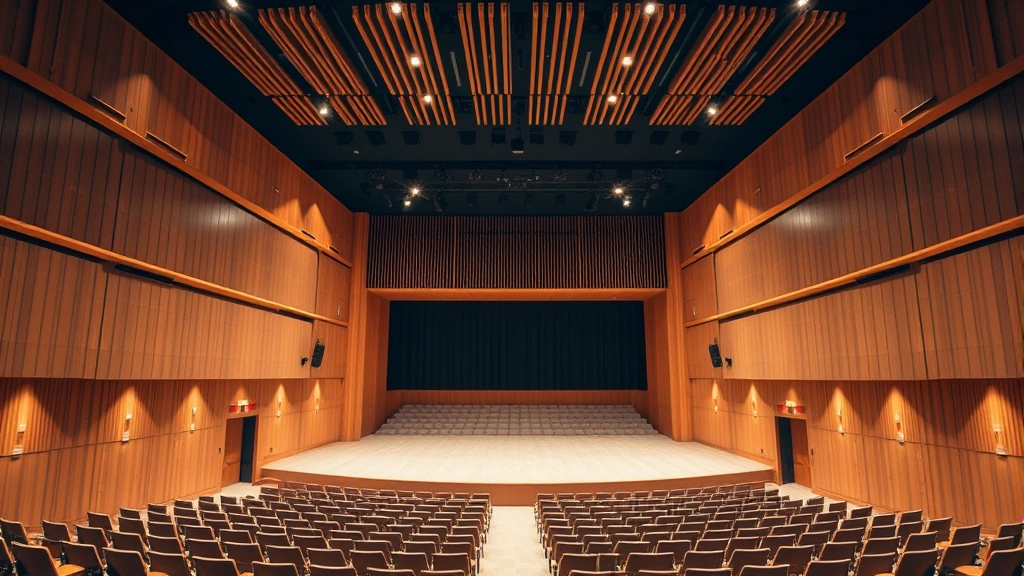
Walking into the Berklee Performance Center, the first thing that strikes you is the thoughtful design. The main theater seats approximately 1,200 people, creating an intimate yet grand atmosphere. This isn’t a cavernous arena where you feel distant from the stage—it’s a venue engineered so that whether you’re in the front row or the back, you’re part of the performance.
The acoustic engineering here deserves special mention. The venue was designed with precision in mind, featuring carefully calculated ceiling heights, strategic wall placement, and materials selected specifically to enhance sound quality. For classical performances, this means every note rings with clarity. For jazz ensembles, it means the subtle interplay between instruments remains audible. For contemporary acts, it means the energy translates authentically to every seat.
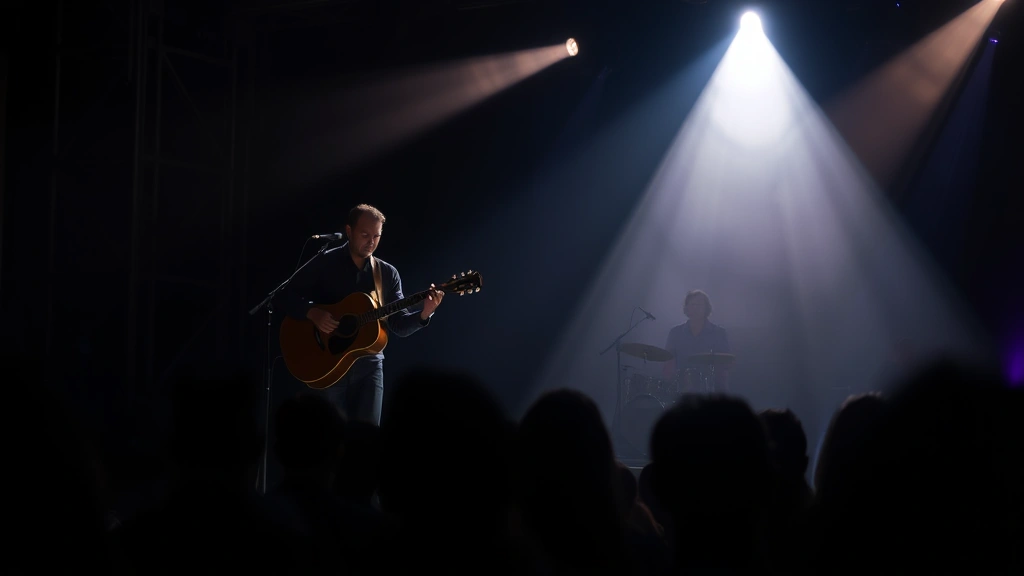
Technical capabilities match the architectural design. The Performance Center features a comprehensive lighting system that can transform the space for everything from intimate acoustic sets to full theatrical productions. The stage itself is flexible, accommodating orchestras, rock bands, solo performers, and dance companies without requiring significant reconfiguration. This versatility has been key to its programming diversity.
Behind the scenes, the venue maintains professional-grade recording capabilities. Many performances here are captured for archival purposes and occasionally released commercially, which speaks to the caliber of artists performing and the venue’s commitment to preserving these moments. The technical team includes experienced sound engineers, lighting designers, and stage managers who understand the nuances of different performance types.
The green room facilities and artist amenities reflect the venue’s respect for performers. Professional artists expect certain standards—adequate warm-up space, proper dressing facilities, quality catering—and the Performance Center delivers on all fronts. This attention to artist comfort often translates directly into better performances, as musicians who feel supported tend to take greater risks and connect more deeply with audiences.
Much like how dedicated performance spaces support athletic excellence, the Berklee Performance Center’s technical infrastructure enables artistic excellence. And just as engaging in enriching activities supports wellbeing, attending performances in a well-designed venue enhances the cultural experience.
What to Expect: Performance Calendar and Programming
The beauty of the Berklee Performance Center lies in its programming diversity. On any given month, you might encounter classical symphonies, contemporary jazz ensembles, world music performances, dance productions, and cutting-edge experimental works. This variety isn’t accidental—it reflects Berklee College of Music’s commitment to representing the full spectrum of musical traditions and contemporary artistic expression.
Student performances form a significant portion of the calendar. These aren’t amateur hour affairs. Berklee students represent some of the most talented young musicians in the world, and watching them perform at this venue offers a unique opportunity to witness emerging talent before they achieve widespread recognition. Many artists who later achieve international success performed here during their student years.
Faculty concerts showcase accomplished musicians who are simultaneously shaping the next generation of artists. These performances often feature experimental programming and collaborations that push artistic boundaries. Faculty members bring their professional touring experience back to the Performance Center, creating performances that maintain the venue’s artistic credibility.
Guest artists and touring acts round out the programming. While the Performance Center isn’t primarily designed for major stadium tours, it attracts established artists who specifically seek venues of this caliber for intimate performances. Jazz legends, classical soloists, world music ensembles, and experimental musicians have all graced this stage.
The programming philosophy reflects an understanding that cultural engagement contributes to mental health and community wellbeing. By offering diverse programming, the venue ensures that different audiences find something meaningful, whether they’re classical enthusiasts, jazz aficionados, or contemporary music explorers.

The Audience Experience: Why People Keep Coming Back
Attending a performance at the Berklee Performance Center isn’t just about the music—it’s about the entire experience. The venue’s location in Boston’s cultural district means you can easily combine your visit with dining, gallery browsing, or exploring nearby attractions. The neighborhood itself has developed around this cultural nexus, creating an environment where artistic engagement feels natural and accessible.
The audience demographic is refreshingly diverse. You’ll find classical music enthusiasts sitting near jazz fans, students learning about different musical traditions, and longtime patrons who’ve been attending for decades. This mix creates a vibrant community atmosphere where people genuinely care about the art being presented rather than treating attendance as a status symbol.
The venue’s staff contributes significantly to the experience. From box office personnel who can offer knowledgeable recommendations to ushers who understand the importance of making people feel welcomed, the human element matters here. There’s a palpable sense that everyone involved in operating this venue believes in its mission.
Parking and public transportation access make attendance practical. The venue is well-served by the MBTA, and nearby parking facilities eliminate the stress of finding a spot. These practical considerations might seem minor, but they significantly impact whether people actually attend performances versus simply intending to.
The acoustic experience itself creates loyalty. Once you’ve experienced a performance in a venue with exceptional acoustics, standard concert halls feel diminished by comparison. People return to the Berklee Performance Center because they know they’ll hear music the way artists intend it to be heard.
Understanding how optimizing your environment enhances performance applies equally to audiences. The Performance Center’s design creates conditions where you’re more likely to have a meaningful artistic experience, which encourages repeat attendance and deeper cultural engagement.
Accessibility and Practical Information
The Berklee Performance Center prioritizes accessibility for all attendees. The venue features wheelchair accessibility, accessible restrooms, and designated seating areas for patrons with mobility considerations. Staff members are trained to assist guests with accessibility needs, ensuring that physical limitations don’t prevent anyone from enjoying performances.
For those with hearing impairments, the venue offers assisted listening devices at select performances. Information about which performances feature these services is available through the box office. This commitment to accessibility reflects a broader understanding that great art should be available to everyone regardless of physical ability.
Box office information and ticketing is straightforward. The venue operates a professional ticketing system that allows online purchases, phone orders, and in-person sales. Ticket prices vary depending on the performance, with student discounts often available. Some performances are free, particularly student showcases and certain community events.
Arriving early is advisable, particularly for popular performances. The venue allows time for pre-show socializing, exploring the lobby, and settling into seats without rushing. This unhurried approach to attendance contributes to the overall experience quality.
Information about upcoming performances, ticket availability, and special events is maintained on the Berklee College of Music website and the Performance Center’s dedicated pages. Email alerts and social media channels keep interested patrons informed about programming changes and special opportunities.
Community Impact and Cultural Significance
The Berklee Performance Center’s impact extends far beyond ticket sales and attendance figures. It serves as a cultural anchor for Boston, establishing the city’s commitment to supporting the arts and providing opportunities for artistic development. For Berklee College of Music students, performing here represents a significant milestone in their artistic development.
The venue has launched countless careers. Many musicians who later achieved international recognition performed here during their formative years. This historical significance creates a sense that something important happens within these walls—that performances here matter beyond the immediate audience.
Community programming and outreach initiatives extend the venue’s impact beyond those who can attend performances. Educational programs, masterclasses, and artist talks create opportunities for deeper engagement with music and performance. These programs often feature emerging artists alongside established professionals, creating mentorship opportunities and knowledge-sharing that benefits the broader community.
The venue’s relationship with Boston’s neighborhoods strengthens the city’s cultural identity. Artists and audiences know that the Performance Center represents artistic integrity and excellence, which attracts talent and cultural engagement from throughout the region and beyond. This positive reputation has economic implications as well, drawing visitors and supporting the broader cultural economy.
For young musicians considering Berklee College of Music, the Performance Center represents tangible proof of institutional commitment to their development. The opportunity to perform at this venue while still a student is a significant draw for prospective musicians, which helps maintain the college’s position as a premier institution.
Frequently Asked Questions
What types of performances can I expect at the Berklee Performance Center?
The venue hosts a diverse range of performances including classical concerts, jazz ensembles, world music, dance productions, theatrical performances, and contemporary experimental works. Programming reflects Berklee College of Music’s commitment to representing the full spectrum of musical traditions and artistic expression. You can find everything from student showcases to faculty concerts to guest artist performances.
How do I purchase tickets for performances?
Tickets can be purchased through the Berklee College of Music box office via phone, online through their website, or in person. Ticket prices vary depending on the performance. Some performances, particularly student showcases and community events, are free. Student discounts are often available for paying performances.
Is the venue accessible for people with mobility considerations?
Yes, the Berklee Performance Center is fully accessible. The venue features wheelchair accessibility, accessible restrooms, and designated seating areas. Assisted listening devices are available for select performances. Staff members are trained to assist guests with accessibility needs. Contact the box office for specific accessibility questions.
Can I attend performances even if I’m not affiliated with Berklee College of Music?
Absolutely. The venue is open to the general public. All performances are open to anyone interested in attending, regardless of their connection to the college. The diverse audience base is part of what makes the venue special.
What is the seating capacity of the main theater?
The main theater seats approximately 1,200 people. This size creates an intimate yet grand atmosphere where the performance feels connected regardless of where you’re seated. The acoustic design ensures excellent sound quality throughout the venue.
Are there parking options near the venue?
Yes, the venue is well-served by nearby parking facilities and public transportation. The MBTA provides convenient access, making it easy to attend performances without the stress of finding parking. The location in Boston’s cultural district also offers alternative parking options in the surrounding neighborhood.
What makes the Berklee Performance Center acoustically special?
The venue was engineered with precision acoustic design, featuring carefully calculated ceiling heights, strategic wall placement, and materials selected specifically to enhance sound quality. The result is exceptional audio clarity across all performance types, from classical to jazz to contemporary music.
Can I find information about upcoming performances online?
Yes, comprehensive information about upcoming performances, ticket availability, and special events is maintained on the Berklee College of Music website and the Performance Center’s dedicated pages. Email alerts and social media channels also keep interested patrons informed about programming changes and special opportunities.


