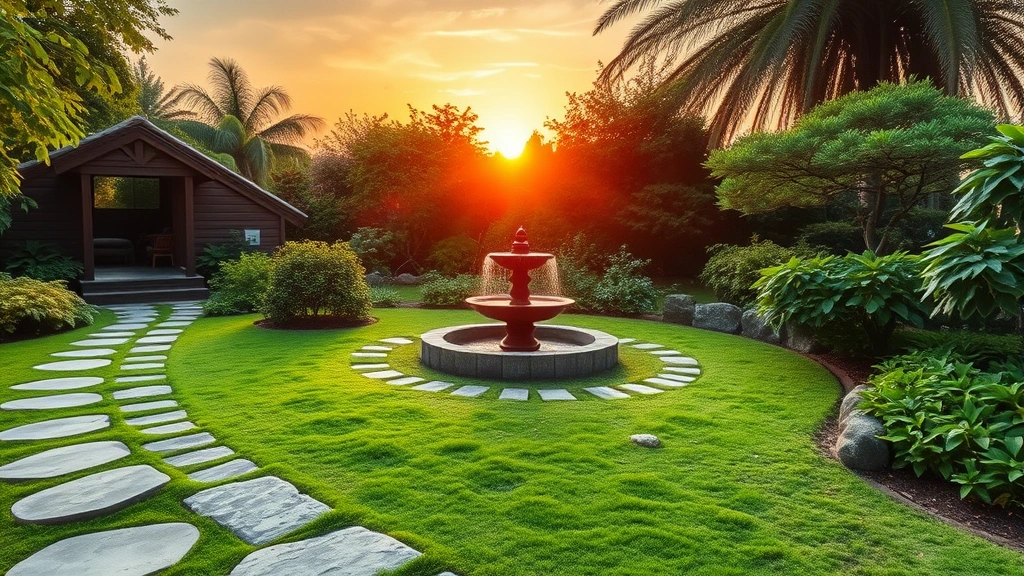
Best Mental Health Retreats Globally: Expert Picks for Transformation and Wellness
The modern world moves at breakneck speed. Between work deadlines, social obligations, and the constant hum of notifications, our mental health often takes a backseat. But what if you could step away from it all—genuinely step away—and invest in your psychological well-being in a structured, supportive environment?
Mental health retreats have evolved far beyond simple spa getaways. Today’s best mental health retreats in the world combine evidence-based therapeutic practices with serene settings, expert facilitators, and community support. Whether you’re dealing with burnout, anxiety, depression, or simply feeling disconnected from yourself, these sanctuaries offer a reset button that traditional therapy alone sometimes can’t provide.
This guide explores the world’s most transformative mental health retreats, examining what makes them exceptional and helping you find the right fit for your journey toward renewed mental clarity and resilience.
What Defines a Quality Mental Health Retreat
Not all retreats are created equal. The best ones share several critical characteristics that distinguish them from wellness tourism or luxury getaways masquerading as therapeutic experiences.
First, credibility matters. Look for retreats staffed by licensed mental health professionals—therapists, psychologists, psychiatrists, or counselors with verifiable credentials. A retreat’s therapeutic foundation should be grounded in recognized methodologies like Cognitive Behavioral Therapy (CBT), mindfulness-based stress reduction, or dialectical behavior therapy.
Second, personalization is essential. Quality retreats assess individual needs and tailor programming rather than forcing everyone through identical schedules. Some participants need intensive one-on-one therapy, while others benefit more from group work and community connection.
Third, the environment itself becomes part of the healing. Natural surroundings, thoughtful design, nutritious meals, and access to activities that promote wellness—from yoga to hiking to art therapy—all contribute to the retreat’s efficacy. Research supports what many intuitively know: nature and wellness environments significantly impact mental health outcomes.
Finally, sustainability matters. The best retreats don’t just provide temporary relief; they equip participants with tools, insights, and practices they can integrate into daily life. This might include teaching meditation techniques, providing recommended mental health books for continued learning, or establishing ongoing support networks.
Understanding these foundations helps you evaluate retreats critically and make informed decisions about where to invest your time and resources.
Top Mental Health Retreats in Europe
Europe’s retreat landscape combines centuries-old wellness traditions with cutting-edge therapeutic approaches. The continent’s varied geography—from Swiss Alps to Mediterranean coasts—provides stunning backdrops for transformation.
Paracelsus Recovery (Switzerland) stands out as one of Europe’s most prestigious residential mental health facilities. Located in Zurich, this luxury retreat addresses depression, anxiety, addiction, and burnout through integrated medical care, psychotherapy, and holistic wellness. Their approach combines psychiatry with evidence-based talk therapy, and the facility maintains exceptionally high staff-to-client ratios. The setting overlooks serene landscapes, and the program typically runs 4-12 weeks for comprehensive treatment.
Bastion Retreats (United Kingdom) specializes in executive burnout and high-performance anxiety. Their retreats in the English countryside attract professionals from demanding industries who need intensive psychological support without judgment. Programs blend cognitive therapy, somatic work, and mindfulness practices in small group settings of 6-8 participants.
Privé Maison de Santé (France) in the French Riviera offers a more luxurious approach to mental wellness. This exclusive retreat combines psychiatric care with spa amenities, gourmet nutrition, and therapeutic workshops. While expensive, it appeals to those seeking clinical-grade mental health support in an ultra-premium environment.
Holistic Healing Sanctuary (Portugal) provides an affordable yet comprehensive alternative. Located near Lisbon, this retreat integrates conventional therapy with alternative modalities—acupuncture, herbal medicine, and energy work. Their 2-4 week programs focus on anxiety, depression, and life transitions at a fraction of Swiss facility costs.
Leading Wellness Centers in Asia
Asia’s retreat culture draws from ancient wellness traditions while embracing modern psychology. These centers often emphasize mindfulness, meditation, and the mind-body connection as central healing mechanisms.
Xanadu Luxury Wellness Retreat (Thailand) in Chiang Mai combines Buddhist meditation practices with Western therapy. Their signature program integrates daily meditation, yoga, therapeutic massage, and individual counseling. Participants often report profound shifts in perspective, partly due to the immersive nature of the experience and the retreat’s emphasis on present-moment awareness. Programs range from 7-30 days.
Ananda in the Himalayas (India) represents the gold standard of luxury wellness retreats. Set in the foothills of the Indian Himalayas, Ananda combines Ayurvedic medicine with modern psychology, yoga, and meditation. Their staff includes both Ayurvedic practitioners and trained therapists. The retreat’s holistic philosophy addresses mental health through balancing body, mind, and spirit—a framework supported by growing research into mind-body medicine.
Phuket Mental Wellness Retreat (Thailand) offers clinical-grade mental health care in a tropical setting. This facility specifically addresses depression, anxiety disorders, and PTSD through evidence-based therapy combined with meditation and lifestyle medicine. What distinguishes it is the integration of Thai traditional medicine with contemporary psychiatric practice.
Bali Healing Retreat Center (Indonesia) focuses on spiritual psychology and emotional release work. While less medically-oriented than some alternatives, it attracts participants seeking deeper psychological exploration through yoga, breathwork, and facilitator-guided introspection. The Balinese community involvement adds a cultural dimension to healing.
Asian retreats often provide exceptional value compared to Western facilities while delivering comparable or superior outcomes for many participants, particularly those drawn to contemplative traditions.
North American Retreat Destinations
North America’s retreat options range from luxury wellness spas to clinical psychiatric centers. If you’re seeking comprehensive mental health support domestically, several standout options exist.
The Meadows (Arizona) in Wickenburg has pioneered trauma-informed retreat programming for three decades. Originally focused on addiction, they’ve expanded to address complex trauma, depression, and anxiety. Their 30-day immersive program combines group therapy, individual counseling, and education about the neurobiology of trauma. The desert setting provides natural beauty while clinical expertise remains the primary focus.
For those interested in regional options, best mental health facilities in Florida offer warm-weather alternatives with comprehensive programming. Florida’s facilities range from residential treatment to day programs, accommodating different intensity levels and budgets.
Sierra Tucson (Arizona) specializes in complex psychiatric conditions and co-occurring disorders. Their multidisciplinary team includes psychiatrists, therapists, and medical physicians. Programs address not just mental health but the physical health components that impact psychological well-being—nutrition, sleep, movement, and stress resilience.
Promises Treatment Centers (Malibu, California) combines luxury amenities with evidence-based clinical care. Overlooking the Pacific Ocean, their programs address depression, anxiety, trauma, and life transitions. The facility emphasizes the role of community and connection in healing, utilizing group therapy alongside individual work.
For those seeking inpatient mental health facilities near me, many regions now offer excellent options combining clinical expertise with therapeutic environments.

Specialized Retreat Programs Worth Considering
Beyond traditional mental health retreats, specialized programs address specific psychological needs with targeted approaches.
Executive Burnout Retreats have proliferated as recognition grows regarding high-performer mental health crises. These programs—offered by facilities like Paracelsus and Bastion—acknowledge that successful professionals often experience unique stressors: perfectionism, imposter syndrome, isolation, and the pressure to always perform. Programs typically run 1-2 weeks and include leadership psychology, stress management, and often peer support from others in similar positions.
Grief and Loss Retreats provide specialized support for those navigating bereavement. Facilities like The Dinner Party and specialized retreat centers create containers for processing profound loss. These programs recognize that grief requires specific approaches—acknowledging the legitimacy of pain while gradually rebuilding meaning and connection.
Anxiety-Specific Programs utilize evidence-based protocols like Exposure and Response Prevention (ERP) and cognitive restructuring. Retreat centers focused specifically on anxiety disorders provide intensive practice in applying these techniques, often with faster results than weekly outpatient therapy alone.
Mindfulness and Meditation Intensives range from 7-day silent retreats to month-long immersions. Research published in journals like JAMA Psychiatry demonstrates that intensive meditation practice produces measurable changes in brain structure and function related to emotional regulation and stress resilience. Organizations like Spirit Rock and Insight Meditation Society offer secular, research-backed programs.
Holistic Wellness Retreats integrate mental health with physical fitness, nutrition coaching, and lifestyle medicine. These programs recognize that psychological well-being doesn’t exist in isolation—sleep quality, exercise, diet, and social connection all fundamentally impact mental health. The benefits of boating for mental health exemplify how specific activities can become therapeutic tools within a comprehensive wellness framework.
Preparing for Your Mental Health Retreat
Choosing a retreat represents a significant commitment—emotionally, financially, and temporally. Proper preparation maximizes the investment and increases likelihood of lasting benefits.
Clarify Your Intentions. Before researching facilities, get clear on what you’re seeking. Are you addressing a specific diagnosis? Recovering from burnout? Seeking personal growth? Different retreats serve different purposes. A trauma-focused program differs fundamentally from a general wellness retreat.
Verify Credentials. Research staff qualifications thoroughly. Check licensing boards, ask about continuing education, and don’t hesitate to contact facilities directly with questions about clinician credentials. Legitimate facilities welcome this scrutiny.
Assess Treatment Philosophy. Understand the retreat’s theoretical orientation. Are they evidence-based? Do they integrate complementary modalities? What’s their stance on medication? Your values and preferences should align with the facility’s approach.
Consider Timing and Duration. Retreats range from weekend intensives to 90-day residential programs. Consider your work situation, financial capacity, and psychological readiness. Sometimes a longer immersion produces deeper transformation; sometimes a focused week provides sufficient reset.
Explore Supplementary Resources. Before attending, read best mental health books related to your specific concerns. This primes your mind, accelerates learning during the retreat, and provides frameworks for understanding your experience.
Address Logistical Concerns. Arrange work coverage, manage family responsibilities, and handle administrative tasks beforehand. Mental energy spent on logistics during a retreat detracts from therapeutic work.
Maximizing Results After Your Retreat
The retreat itself represents a beginning, not an ending. What you do after determines whether temporary insights become lasting transformation.
Establish Continuity of Care. Before departing the retreat, arrange ongoing therapy with a qualified clinician. Ideally, coordinate with your retreat therapists to ensure continuity. Many retreat centers maintain relationships with therapists in participants’ home regions.
Create Accountability Systems. Retreats often include peer contact information. Stay connected with fellow participants through regular check-ins, group video calls, or private messaging. This peer support proves invaluable during the integration process when old patterns tempt re-emergence.
Implement Daily Practices. Whatever practices resonated during the retreat—meditation, journaling, exercise, specific breathing techniques—integrate them into daily routine immediately. Research shows that practices established within two weeks of a transformative experience show significantly higher adherence rates.
Track Progress Systematically. Before the retreat, establish baseline measurements: anxiety levels, sleep quality, mood, relationship satisfaction, productivity. Post-retreat, measure these regularly. Visible progress reinforces commitment to new practices.
Invest in Your Environment. Your physical surroundings influence mental state. Incorporate elements that supported your retreat experience—whether that’s indoor plants for mental health, a meditation corner, or regular time in nature. Environmental design matters more than most realize.
Optimize Foundational Health. Mental health retreats often reset sleep, nutrition, and movement patterns. Maintain these gains. Consider how energy drink choices for focus impact your well-being—some provide sustained mental clarity while others create crashes that undermine psychological stability.
According to research from the American Psychological Association, behavioral change sustained beyond three months typically becomes habitual. This means your first quarter post-retreat proves critical for cementing transformation.
Frequently Asked Questions
Are mental health retreats covered by insurance?
Coverage varies significantly. Some insurance plans cover residential treatment facilities if they’re deemed medically necessary, while others don’t cover retreat-style programming. Check with your specific provider. Many retreats offer payment plans, sliding scales, or financing options to improve accessibility. Facilities like mental health facilities in Florida often work with insurance companies and can provide guidance on coverage possibilities.
How long should a mental health retreat be?
Duration depends on your needs and circumstances. Weekend intensives (2-3 days) provide reset and perspective shifts. Week-long programs allow meaningful therapeutic work and skill development. Month-long retreats enable deeper exploration and integration. Research suggests that 2-4 weeks produces optimal balance between intensive work and practical application time. Longer programs (60-90 days) benefit those with complex trauma or serious psychiatric conditions.
Can I attend a retreat while taking psychiatric medication?
Absolutely. Legitimate mental health retreats work with participants on medication and often include psychiatric support for medication management. In fact, combining therapy with appropriate medication often produces superior outcomes to either approach alone. Disclose all medications during intake screening.
What if I have specific mental health diagnoses?
Choose retreats that specialize in your specific condition. Inpatient mental health facilities often provide specialized programming for particular diagnoses. Facilities treating trauma, eating disorders, or severe anxiety disorders use specific evidence-based protocols. Don’t assume all retreats can effectively address your particular needs.
Is a mental health retreat better than ongoing therapy?
They serve different purposes. Ongoing therapy provides continuity and long-term support. Retreats offer intensive immersion and rapid progress in focused periods. Ideally, combine both: use a retreat for breakthrough work, then maintain gains through regular therapy. Think of retreats as intensive workshops and ongoing therapy as foundational education.
How do I know if a retreat is legitimate?
Verify staff credentials through licensing boards. Ask for references from previous participants. Research the facility’s accreditation status. Legitimate retreats welcome questions and provide transparent information about their approach, qualifications, and outcomes. Be wary of facilities making unrealistic promises or refusing to discuss their clinical methods.
What should I pack for a mental health retreat?
Most facilities provide detailed packing lists. Generally bring comfortable clothes for yoga and movement, weather-appropriate gear for outdoor activities, toiletries, and any personal items providing comfort (photos, journals, spiritual items). Many retreats discourage phones and screens initially, so check policies. Some provide all necessities; others require participants to bring specific items.
Can I attend a retreat if I’m currently in crisis?
This depends on the crisis level and the facility. Some retreats accept people actively experiencing suicidal ideation or severe psychiatric episodes, while others require participants to be stabilized first. Discuss your current state honestly during intake. If you’re in acute crisis, emergency psychiatric care (hospital, crisis center) may be more appropriate than a retreat.
The investment in your mental health through a quality retreat can catalyze transformation that ripples through every aspect of your life. With proper selection, preparation, and follow-up, these experiences often become pivotal moments in personal development and psychological healing.


